
Dedication
We are available 24/7
Washington burglary charges include first-degree burglary, residential burglary, and second-degree burglary. The classification and potential sentence depend on the location, alleged conduct, criminal history, and any pleaded enhancement.
Legally reviewed by Roger Priest · September 24, 2026
Get a Free Case ReviewWe are available 24/7
Nearly 30 years of combined criminal defense experience
A former Oregon prosecutor now fights on your side
Thousands of criminal matters and dozens of jury trials
| Charge | Classification | Detail |
|---|---|---|
| Burglary in the Second Degree | Class B felony | Building other than a vehicle or dwelling; maximum of 10 years and a $20,000 fine |
| Residential Burglary | Class B felony | Dwelling; maximum of 10 years and a $20,000 fine, with separate sentencing treatment |
| Burglary in the First Degree | Class A felony | Deadly-weapon or assault allegation; maximum of life and a $50,000 fine |
| Sexual Motivation Enhancement | Special allegation | Adds 24 months to a class A felony, 18 months to a class B felony, or 12 months to a class C felony when proved |
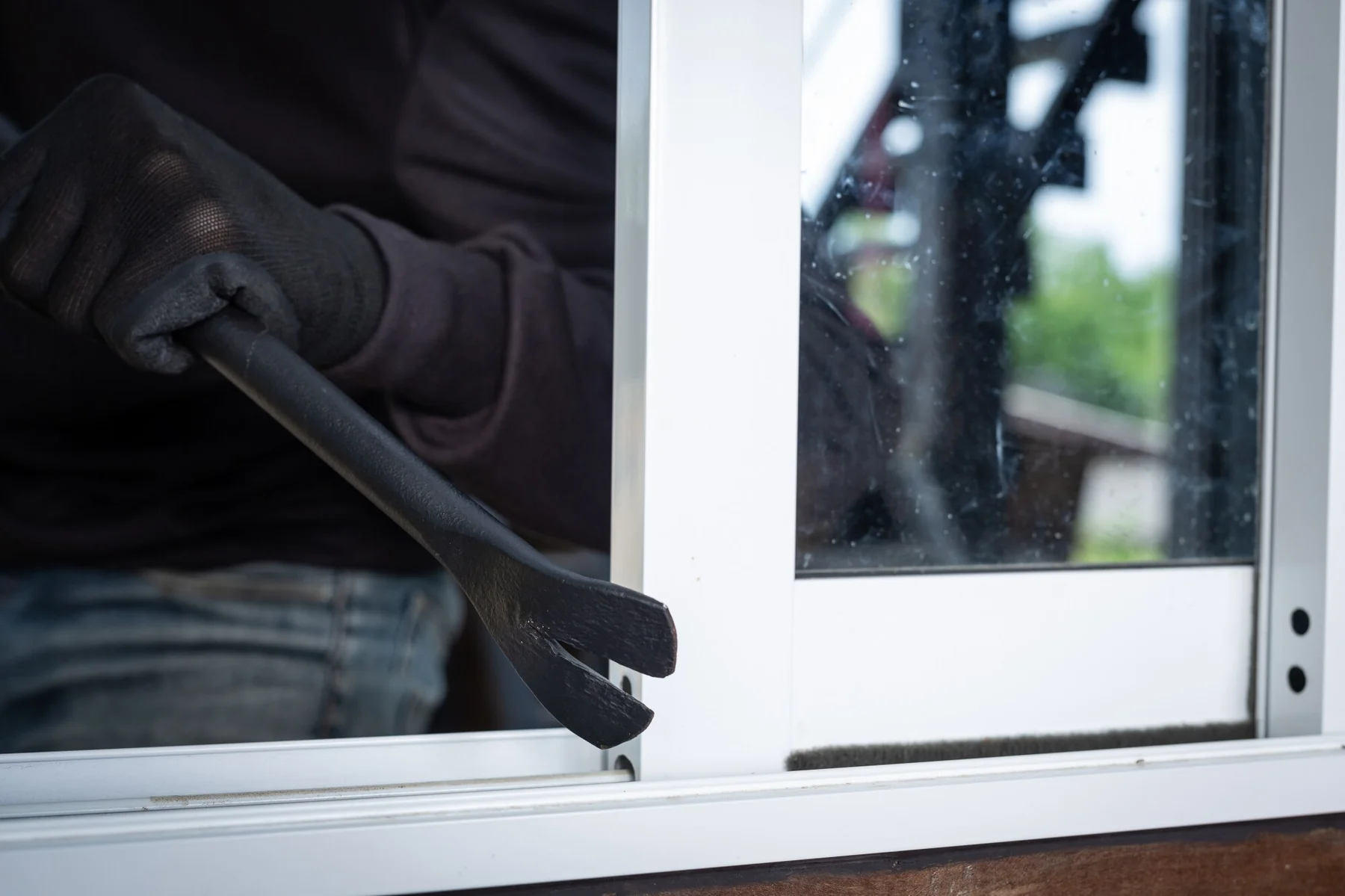
Washington recognizes first-degree burglary, residential burglary, and second-degree burglary. First-degree burglary is a class A felony. It requires proof that a person entered or remained unlawfully in a building with intent to commit a crime against a person or property there and, while entering, inside, or in immediate flight, was armed with a deadly weapon or assaulted a person.
Residential burglary is a class B felony involving unlawful entry into or remaining in a dwelling with intent to commit a crime there. Second-degree burglary is a class B felony involving a building other than a vehicle or dwelling. Washington law treats residential burglary more seriously than second-degree burglary for sentencing purposes.
The statutory maximum is life imprisonment and a $50,000 fine for a class A felony, and ten years and a $20,000 fine for a class B felony. Those are maximums, not predictions. An actual standard range depends on the offense, offender score, facts found by the court or jury, and any lawful enhancement.
This page therefore does not quote a standard range without reviewing the person's record and the current sentencing grid.
If the State alleges sexual motivation and the allegation is proved beyond a reasonable doubt, Washington's current enhancement statute adds 24 months to a class A felony, 18 months to a class B felony, or 12 months to a class C felony. The enhancement runs consecutively, and a qualifying prior sexual-motivation enhancement can double it.
These government sources support the general legal information on this page. The facts and current documents in an individual case control the legal analysis.
Contact us
Free consultation. Available 24/7. We quote a flat fee up front and offer payment plans on most cases. The number we quote is the number you pay, no matter how many hearings your case takes.

Cases we handle

Charges range from a simple push to felony assault with a weapon, every degree needs its own defense.
Learn more about Assault
Charges involving a partner, family member, or household member carry consequences beyond the case itself.
Learn more about Domestic Violence
Violating an order, or fighting to get one modified or lifted, requires careful, fast action.
Learn more about No-Contact & Restraining Orders
Threats, repeated unwanted contact, or intimidation charges, defended from the first accusation.
Learn more about Harassment
Serious charges need serious defense. We handle felony cases across Clark County.
Learn more about Felony Charges
Lower-level charges still carry real consequences. We fight to keep them off your record.
Learn more about Misdemeanors
Charges range from a simple push to felony assault with a weapon, every degree needs its own defense.
Learn more about Assault
Charges involving a partner, family member, or household member carry consequences beyond the case itself.
Learn more about Domestic Violence
Violating an order, or fighting to get one modified or lifted, requires careful, fast action.
Learn more about No-Contact & Restraining Orders
Threats, repeated unwanted contact, or intimidation charges, defended from the first accusation.
Learn more about Harassment
Serious charges need serious defense. We handle felony cases across Clark County.
Learn more about Felony Charges
Lower-level charges still carry real consequences. We fight to keep them off your record.
Learn more about Misdemeanors4.9 star reviews based on 110+ reviews
FAQ
Residential burglary applies to a dwelling, while second-degree burglary applies to a building other than a vehicle or dwelling. Both are class B felonies, but Washington law treats residential burglary more seriously for sentencing purposes.
Sometimes. Depending on the facts and your criminal history, a burglary charge can be negotiated down to a lesser offense such as criminal trespass or theft. Whether that's possible depends on the evidence and the strength of the state's proof of intent.
Burglary requires the state to prove you unlawfully entered or remained in a building intending to commit a crime once inside — not just that you were there. If the state can't establish that intent, the burglary charge may not hold, even if some other offense occurred.
Contact us
Free consultation. Available 24/7. We quote a flat fee up front and offer payment plans on most cases. The number we quote is the number you pay, no matter how many hearings your case takes.