
Dedication
We are available 24/7
Alcohol and cannabis allegations involving a person under 21 can carry criminal and licensing consequences, but the exact result depends on the substance, age, history, exceptions, and court disposition.
Legally reviewed by Roger Priest · September 24, 2026
Get a Free Case ReviewWe are available 24/7
Nearly 30 years of combined criminal defense experience
A former Oregon prosecutor now fights on your side
Thousands of criminal matters and dozens of jury trials
| Allegation | Current general rule |
|---|---|
| Alcohol possession, consumption, or acquisition by a person under 21 | Gross misdemeanor under RCW 66.44.270, subject to the statute's family, medical, religious, permitted-education, and medical-assistance exceptions |
| Cannabis possession by a person under 21 | Prohibited regardless of THC concentration, except for a qualifying patient with valid authorization |
| Forty grams or less of cannabis | Addressed as a misdemeanor by RCW 69.50.4014; other products, quantities, and conduct require analysis under the current controlled-substances statutes |
RCW 66.44.270(2) makes it illegal for anyone under 21 years old to have or drink alcohol or to be in public while exhibiting the effects of having drank alcohol. Violation of this law is considered a gross misdemeanor in Washington and is punishable by up to 364 days in jail and a $5,000.00 fine.
Washington law prohibits a person under 21 from knowingly possessing cannabis, cannabis-infused products, or cannabis concentrates regardless of THC concentration, except for a qualifying patient with valid authorization. The page should not describe simple possession of more than 40 grams by a person under 21 as automatically being a felony.
The product, quantity, alleged conduct, and current statute must be reviewed before stating a classification.
An MIP case does not produce the same license result for every person under 21. RCW 13.40.265 generally excludes a juvenile's first covered alcohol or drug offense from court notice to the Department of Licensing and requires notice within 24 hours for a later qualifying adjudication. If DOL receives qualifying notice, RCW 46.20.265 sets revocation periods.
DOL currently states that alcohol-related MIP revocations apply to ages 13 through 17 and drug-offense revocations to ages 13 through 20, and that a revocation begins 45 days after DOL mails its notice. The duration and any early-reinstatement option depend on age, history, and the court's notice.
These government sources support the general legal information on this page. The facts and current documents in an individual case control the legal analysis.
Contact us
Free consultation. Available 24/7. We quote a flat fee up front and offer payment plans on most cases. The number we quote is the number you pay, no matter how many hearings your case takes.
Cases we handle

Charges range from a simple push to felony assault with a weapon, every degree needs its own defense.
Learn more about Assault
Charges involving a partner, family member, or household member carry consequences beyond the case itself.
Learn more about Domestic Violence
Violating an order, or fighting to get one modified or lifted, requires careful, fast action.
Learn more about No-Contact & Restraining Orders
Threats, repeated unwanted contact, or intimidation charges, defended from the first accusation.
Learn more about Harassment
Serious charges need serious defense. We handle felony cases across Clark County.
Learn more about Felony Charges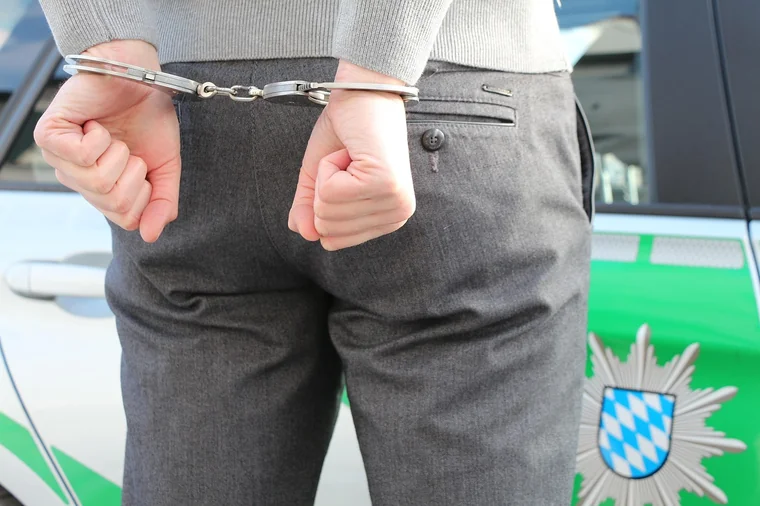
Lower-level charges still carry real consequences. We fight to keep them off your record.
Learn more about Misdemeanors
Broader allegations involving a person under 18 require a juvenile-court and evidence review beyond MIP law.
Learn more about Juvenile Defense
Charges range from a simple push to felony assault with a weapon, every degree needs its own defense.
Learn more about Assault
Charges involving a partner, family member, or household member carry consequences beyond the case itself.
Learn more about Domestic Violence
Violating an order, or fighting to get one modified or lifted, requires careful, fast action.
Learn more about No-Contact & Restraining Orders
Threats, repeated unwanted contact, or intimidation charges, defended from the first accusation.
Learn more about Harassment
Serious charges need serious defense. We handle felony cases across Clark County.
Learn more about Felony Charges
Lower-level charges still carry real consequences. We fight to keep them off your record.
Learn more about Misdemeanors
Broader allegations involving a person under 18 require a juvenile-court and evidence review beyond MIP law.
Learn more about Juvenile Defense4.9 star reviews based on 110+ reviews
FAQ
Not every MIP case produces the same license result. A juvenile's first covered alcohol or drug offense is generally excluded from court notice to DOL, while later qualifying adjudications can require notice. The result depends on age, history, court notice, and the applicable statute.
Yes. Alcohol and cannabis allegations arise under different statutes. Washington prohibits cannabis possession by a person under 21 regardless of THC concentration, subject to the qualifying-patient exception, while the classification of cannabis conduct depends on the product, quantity, and current statute.
Sometimes. Issues like an unlawful stop or search, weak proof of possession, or eligibility for a diversion or deferral can all affect the outcome. Being present isn't the same as the state proving every element beyond a reasonable doubt.
Contact us
Free consultation. Available 24/7. We quote a flat fee up front and offer payment plans on most cases. The number we quote is the number you pay, no matter how many hearings your case takes.