
Dedication
We are available 24/7
Not all no-contact orders are the same, and understanding which type you're dealing with matters for how it's defended.
Legally reviewed by Roger Priest · September 24, 2026
Get a Free Case ReviewWe are available 24/7
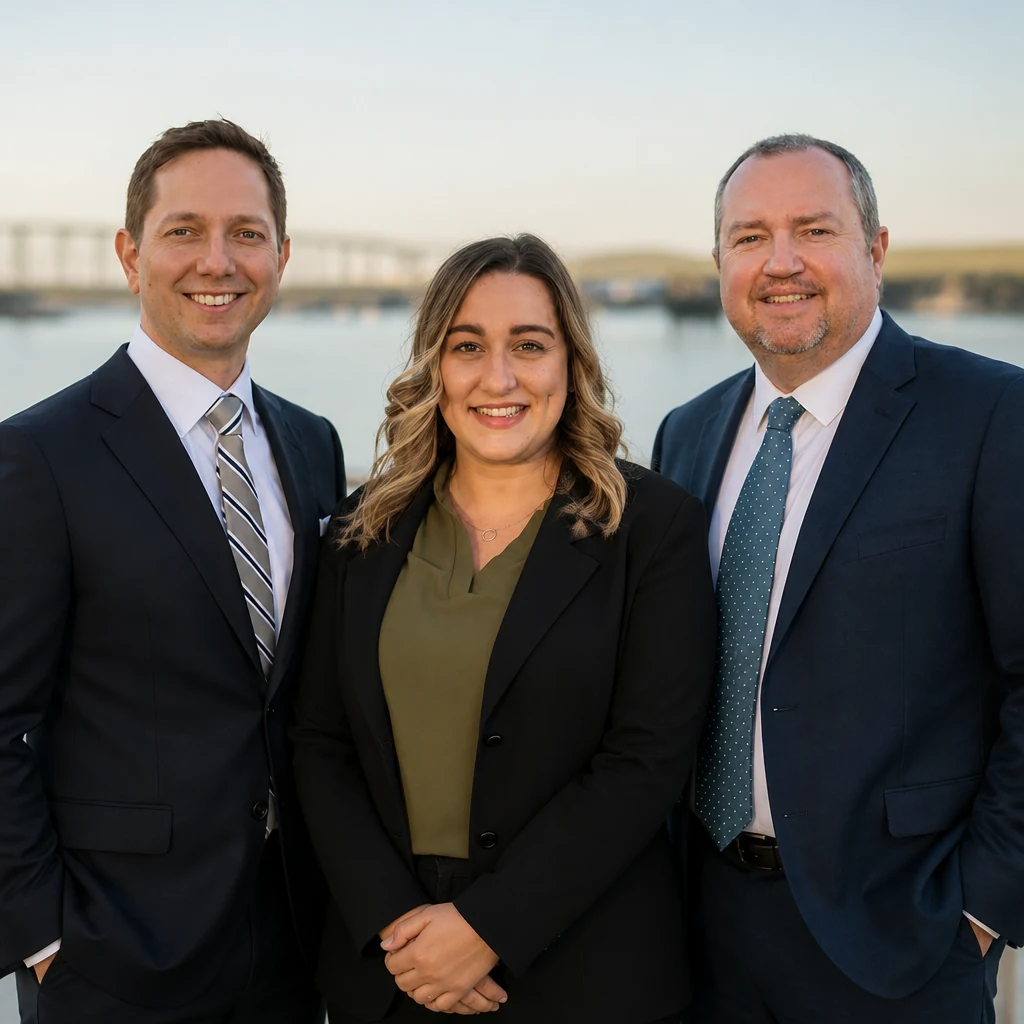
Nearly 30 years of combined criminal defense experience
A former Oregon prosecutor now fights on your side
Thousands of criminal matters and dozens of jury trials
| Order Type | What It Is |
|---|---|
| Civil protection orders | Chapter 7.105 RCW consolidates domestic-violence, antiharassment, stalking, sexual-assault, vulnerable-adult, and extreme-risk protection orders |
| Criminal no-contact orders | A criminal court may issue a separate order in a pending or completed criminal case, including under chapter 10.99 RCW |
| Controlling terms | The signed order's exact restrictions control; only the court can modify or terminate them |
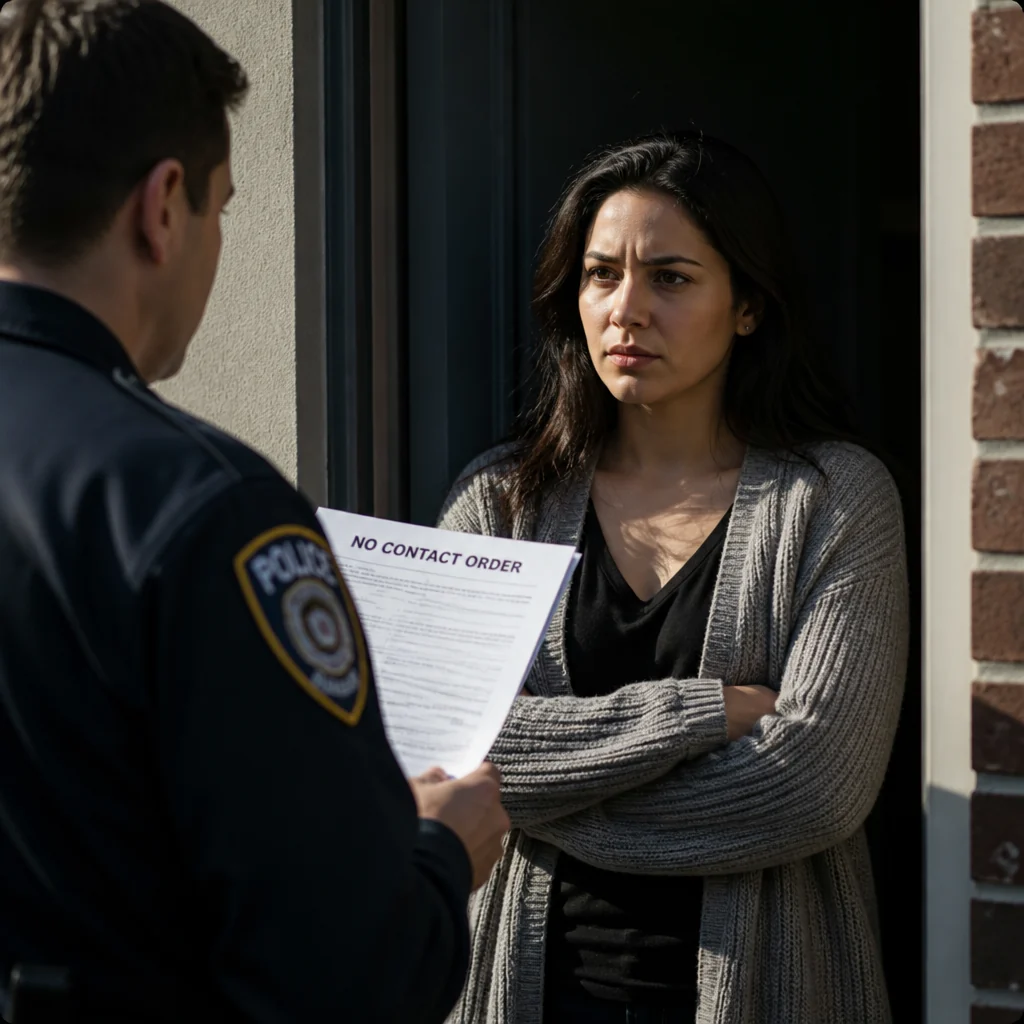
Washington's civil protection-order law is now consolidated primarily in chapter 7.105 RCW. It includes domestic-violence protection orders, antiharassment protection orders, stalking protection orders, sexual-assault protection orders, vulnerable-adult protection orders, and extreme-risk protection orders.
Criminal courts may separately issue no-contact orders in a pending or completed criminal case, including under chapter 10.99 RCW. The exact restrictions come from the signed order, not from the order's informal name.
For the protection-order provisions covered by RCW 7.105.450, the State generally must prove that the respondent knew of the order and violated a listed restraint, exclusion, distance, contact, pet-removal, or qualifying foreign-order provision. A qualifying violation is generally a gross misdemeanor.
It can become a class C felony when the conduct includes a qualifying assault, reckless conduct creating a substantial risk of death or serious physical injury, or the required history of prior order-violation convictions.
The protected person's invitation, consent, or initiation does not modify the order. Only the court can change or terminate it. Whether an accidental encounter, third-party message, online activity, or indirect contact violates an order depends on the order's exact language, knowledge, and the evidence concerning what happened.
A person subject to an order should follow it until the court enters a different order.
Defense review may include service or other proof of knowledge, the order's exact terms, identity, intent and surrounding circumstances, message and location records, third-party conduct, and whether the alleged act falls within a criminally enforceable provision.
These government sources support the general legal information on this page. The facts and current documents in an individual case control the legal analysis.
Contact us
Free consultation. Available 24/7. We quote a flat fee up front and offer payment plans on most cases. The number we quote is the number you pay, no matter how many hearings your case takes.

Cases we handle

Charges range from a simple push to felony assault with a weapon, every degree needs its own defense.
Learn more about Assault
Charges involving a partner, family member, or household member carry consequences beyond the case itself.
Learn more about Domestic Violence
Violating an order, or fighting to get one modified or lifted, requires careful, fast action.
Learn more about No-Contact & Restraining Orders
Threats, repeated unwanted contact, or intimidation charges, defended from the first accusation.
Learn more about Harassment
Serious charges need serious defense. We handle felony cases across Clark County.
Learn more about Felony Charges
Lower-level charges still carry real consequences. We fight to keep them off your record.
Learn more about Misdemeanors
Charges range from a simple push to felony assault with a weapon, every degree needs its own defense.
Learn more about Assault
Charges involving a partner, family member, or household member carry consequences beyond the case itself.
Learn more about Domestic Violence
Violating an order, or fighting to get one modified or lifted, requires careful, fast action.
Learn more about No-Contact & Restraining Orders
Threats, repeated unwanted contact, or intimidation charges, defended from the first accusation.
Learn more about Harassment
Serious charges need serious defense. We handle felony cases across Clark County.
Learn more about Felony Charges
Lower-level charges still carry real consequences. We fight to keep them off your record.
Learn more about Misdemeanors4.9 star reviews based on 110+ reviews
FAQ
Civil protection orders are governed primarily by chapter 7.105 RCW. Criminal courts may separately issue no-contact orders in pending or completed criminal cases. The signed order's exact terms control regardless of its informal name.
Yes. Only the court can lift or modify the order, so contact remains a violation even when the protected person initiates it or wants it restored. Until a judge changes the order, it must be followed exactly as written.
No. A civil antiharassment order is designed for harassment outside a domestic or family relationship, so no proof of an intimate or household connection is required. That's what distinguishes it from a domestic violence order.
Contact us
Free consultation. Available 24/7. We quote a flat fee up front and offer payment plans on most cases. The number we quote is the number you pay, no matter how many hearings your case takes.