

Dedication
We are available 24/7
Washington's implied-consent statute addresses a post-arrest breath test. It does not prevent police from obtaining blood under a search warrant, valid consent or another valid waiver of the warrant requirement, exigent circumstances, or another lawful authority.
Legally reviewed by Roger Priest · September 24, 2026
Get a Free Case ReviewWe are available 24/7
Nearly 30 years of combined criminal defense experience
A former Oregon prosecutor now fights on your side
Thousands of criminal matters and dozens of jury trials
Washington's implied-consent statute addresses a post-arrest breath test. It does not prevent police from obtaining blood under a search warrant, valid consent or another valid waiver of the warrant requirement, exigent circumstances, or another lawful authority. Consent must be evaluated under the circumstances in which it was requested and given.
Declining a request for a voluntary blood draw does not prevent an officer from seeking a warrant, and it does not guarantee that no blood will be obtained. The legal consequences of declining depend on what test was requested, whether implied-consent warnings applied, and the authority asserted for the draw.
The page should not make a blanket promise that refusal is consequence-free or that it will improve the case.
A warrant does not make every later issue disappear. Counsel may examine probable cause, the warrant and return, any claimed exception to the warrant requirement, consent, who performed the draw, collection and storage procedures, chain of custody, laboratory analysis, disclosure, and the permissible use of the result.
Those are review issues, not promised defenses.
These government sources support the general legal information on this page. The facts and current documents in an individual case control the legal analysis.
Contact us
Free consultation. Available 24/7. We quote a flat fee up front and offer payment plans on most cases. The number we quote is the number you pay, no matter how many hearings your case takes.

Cases we handle
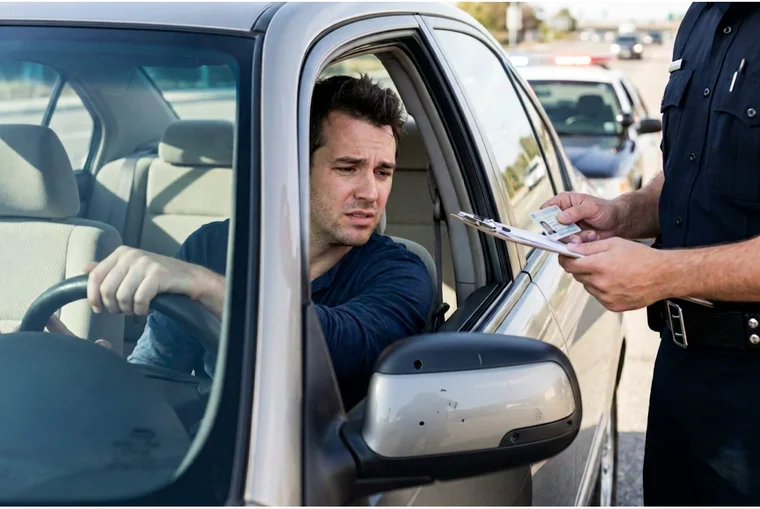
Mandatory jail, fines, and license suspension apply even to a first arrest. We fight for a reduction whenever the facts support one.
Learn more about First Offense DUI
Your license can be suspended before your criminal case is resolved. The hearing-request deadline can be as short as seven days after notice.
Learn more about License Suspension
Most DUI charges carry up to 364 days in jail. We build a defense around every stage of the case, not just the arrest.
Learn more about DUI Misdemeanor
Multiple prior convictions can turn a DUI into a felony. We look hard at whether every prior conviction actually holds up.
Learn more about DUI Felony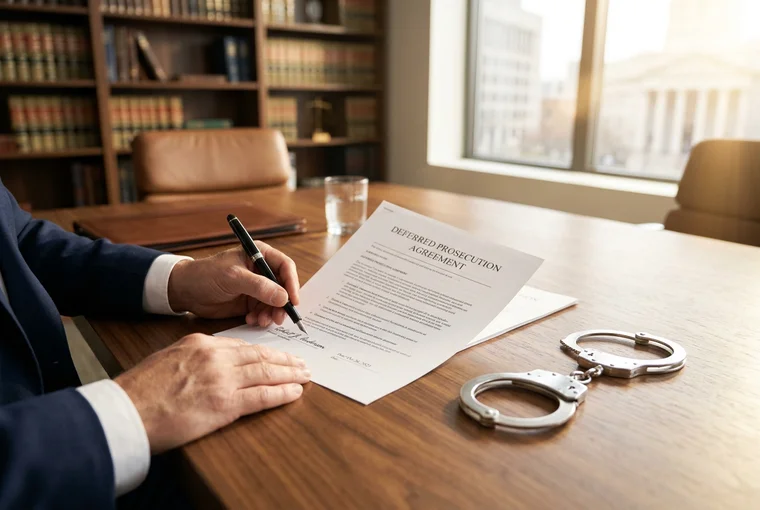
A path to a full dismissal for qualifying cases, in exchange for a serious, multi-year treatment commitment.
Learn more about Deferred Prosecution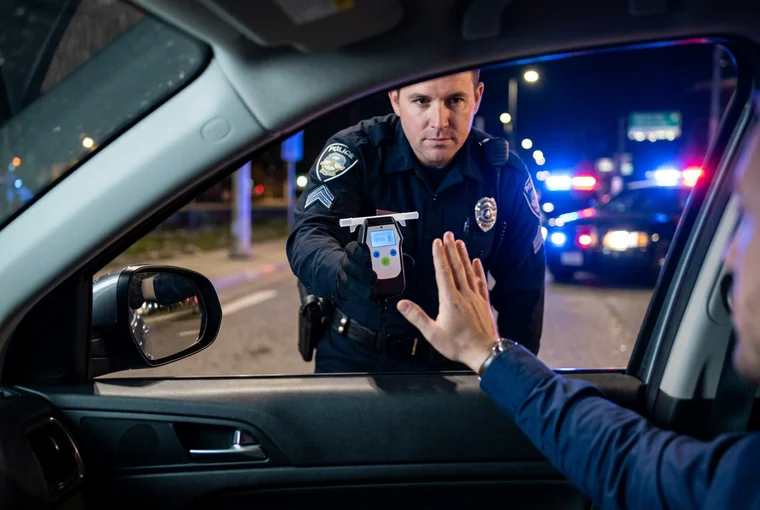
Refusing carries its own penalties, but it can also weaken the state's case at trial. We help clients weigh both sides.
Learn more about DUI Breath Test Refusals
Mandatory jail, fines, and license suspension apply even to a first arrest. We fight for a reduction whenever the facts support one.
Learn more about First Offense DUI
Your license can be suspended before your criminal case is resolved. The hearing-request deadline can be as short as seven days after notice.
Learn more about License Suspension
Most DUI charges carry up to 364 days in jail. We build a defense around every stage of the case, not just the arrest.
Learn more about DUI Misdemeanor
Multiple prior convictions can turn a DUI into a felony. We look hard at whether every prior conviction actually holds up.
Learn more about DUI Felony
A path to a full dismissal for qualifying cases, in exchange for a serious, multi-year treatment commitment.
Learn more about Deferred Prosecution
Refusing carries its own penalties, but it can also weaken the state's case at trial. We help clients weigh both sides.
Learn more about DUI Breath Test Refusals4.9 star reviews based on 110+ reviews
FAQ
A request based only on consent is different from a draw authorized by a warrant or another lawful exception. Declining consent does not stop police from seeking or relying on other lawful authority, and the consequences cannot be stated without identifying the test and legal basis.
Not necessarily. It may lead officers to seek a warrant, and it does not guarantee suppression or a better result. Counsel must review the facts and legal authority used.
Yes. Consent is one possible exception to the warrant requirement; a signed warrant is judicial authorization based on the submitted application. Both can still present fact-specific legal and scientific issues.
Contact us
Free consultation. Available 24/7. We quote a flat fee up front and offer payment plans on most cases. The number we quote is the number you pay, no matter how many hearings your case takes.