
Dedication
We are available 24/7
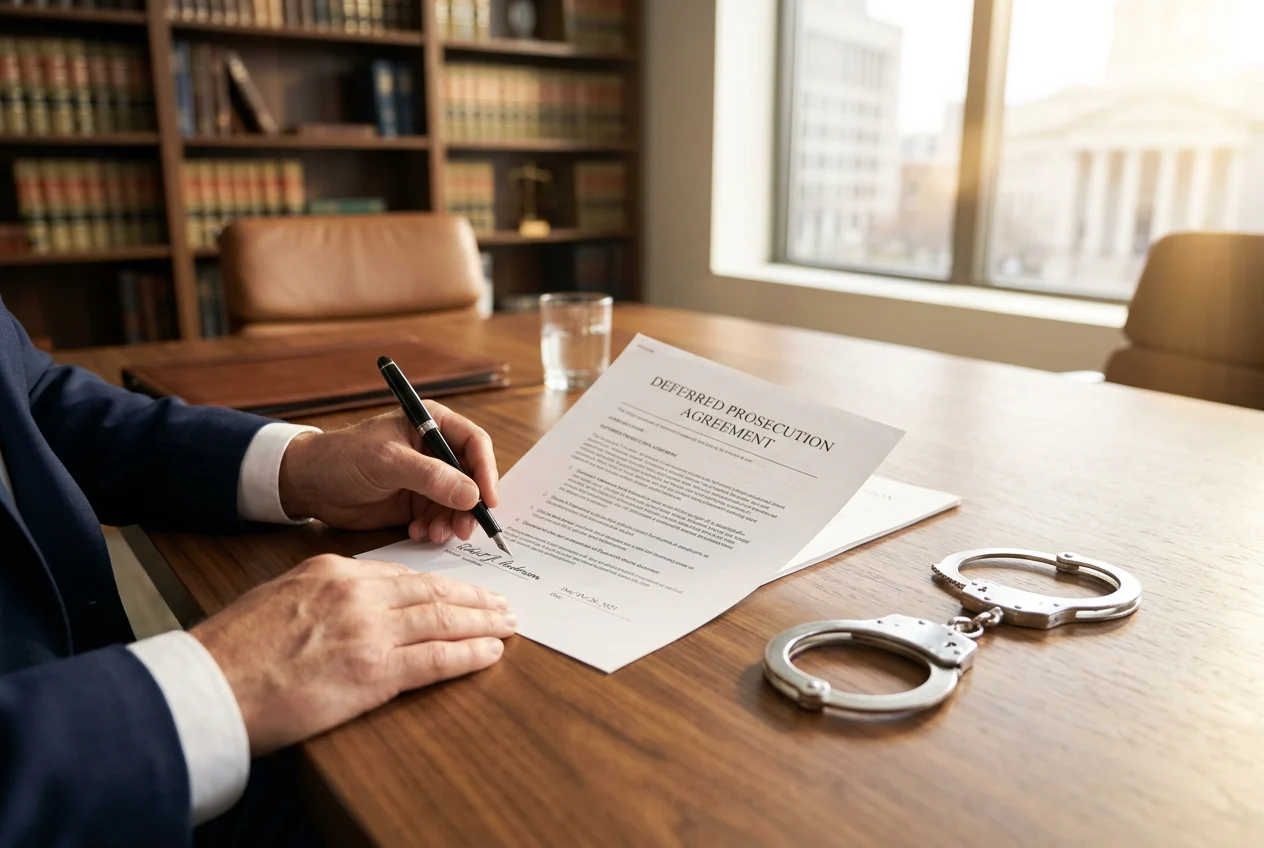
Deferred prosecution can lead to dismissal, but eligibility is not automatic and the program requires court approval, treatment, waivers, and a serious multi-year commitment.
Legally reviewed by Roger Priest · September 24, 2026
Get a Free Case ReviewWe are available 24/7
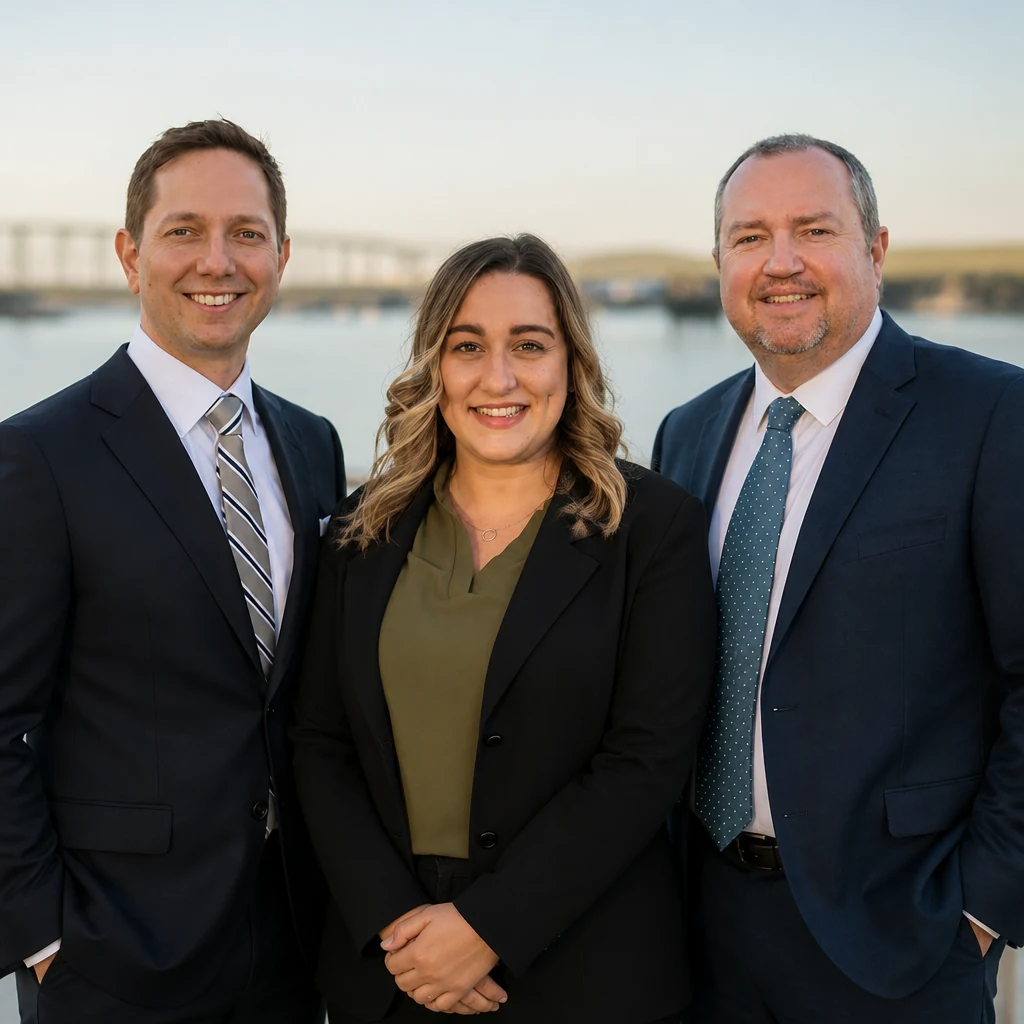
Nearly 30 years of combined criminal defense experience
A former Oregon prosecutor now fights on your side
Thousands of criminal matters and dozens of jury trials
| Detail | What It Means |
|---|---|
| Prior-use limit | A second petition is possible only in the circumstances allowed by current RCW 10.05.010; individual eligibility requires record review |
| Treatment length | A substance-use or qualifying co-occurring-disorder treatment plan generally lasts two years |
| Dismissal timing | Three years after successful treatment completion, but not sooner than five years after the deferred-prosecution order |
| Outcome if completed | Dismissal requires successful completion of the approved plan and other statutory requirements |
| Outcome after revocation | The court may enter judgment, and stipulated police-report facts may be used as provided by statute |
Deferred prosecution can lead to dismissal, but it is not automatic and it is not available merely because a person has never used it before. The person must petition, make the required sworn allegations, obtain an appropriate evaluation and treatment plan, agree to the statutory stipulations and waivers, and satisfy the court that the legal requirements are met.
For a DUI or physical-control charge, eligibility and any prior-offense limitation must be evaluated under the current versions of RCW 10.05.010 and RCW 10.05.020.
Washington law now allows a second deferred-prosecution petition in limited circumstances. A person cannot ordinarily be on two deferred prosecutions at the same time, and the second-petition rules depend on the first case and any other prior offenses. The page should therefore not describe deferred prosecution as universally limited to once per lifetime.
A substance-use or qualifying co-occurring-disorder treatment plan generally lasts two years. Dismissal occurs three years after successful completion of the approved treatment plan, but not sooner than five years after the deferred-prosecution order. The person must satisfy the treatment plan and other statutory requirements before dismissal.
Entry requires important stipulations and waivers. If the court revokes deferred prosecution for a qualifying breach or later similar offense, the court may enter judgment, and the stipulated police-report facts are available in the underlying case as provided by statute. Revocation creates serious conviction risk, but the page should not promise that conviction is inevitable.
These government sources support the general legal information on this page. The facts and current documents in an individual case control the legal analysis.
Contact us
Free consultation. Available 24/7. We quote a flat fee up front and offer payment plans on most cases. The number we quote is the number you pay, no matter how many hearings your case takes.

Cases we handle

Mandatory jail, fines, and license suspension apply even to a first arrest. We fight for a reduction whenever the facts support one.
Learn more about First Offense DUI
Your license can be suspended before your criminal case is resolved. The hearing-request deadline can be as short as seven days after notice.
Learn more about License Suspension
Most DUI charges carry up to 364 days in jail. We build a defense around every stage of the case, not just the arrest.
Learn more about DUI Misdemeanor
Multiple prior convictions can turn a DUI into a felony. We look hard at whether every prior conviction actually holds up.
Learn more about DUI Felony
Refusing carries its own penalties, but it can also weaken the state's case at trial. We help clients weigh both sides.
Learn more about DUI Breath Test Refusals
Mandatory jail, fines, and license suspension apply even to a first arrest. We fight for a reduction whenever the facts support one.
Learn more about First Offense DUI
Your license can be suspended before your criminal case is resolved. The hearing-request deadline can be as short as seven days after notice.
Learn more about License Suspension
Most DUI charges carry up to 364 days in jail. We build a defense around every stage of the case, not just the arrest.
Learn more about DUI Misdemeanor
Multiple prior convictions can turn a DUI into a felony. We look hard at whether every prior conviction actually holds up.
Learn more about DUI Felony
Refusing carries its own penalties, but it can also weaken the state's case at trial. We help clients weigh both sides.
Learn more about DUI Breath Test Refusals4.9 star reviews based on 110+ reviews
FAQ
Washington law allows a second petition only in limited circumstances. A person cannot ordinarily be on two deferred prosecutions at the same time, and eligibility depends on the first case and any other prior offenses.
The court may enter judgment, and the stipulated police-report facts are available in the underlying case as provided by statute. Revocation creates serious conviction risk, but conviction should not be described as inevitable without reviewing the case.
A qualifying treatment plan generally lasts two years. Dismissal occurs three years after successful completion of the approved treatment plan, but not sooner than five years after the deferred-prosecution order, and only after the statutory requirements are satisfied.
Contact us
Free consultation. Available 24/7. We quote a flat fee up front and offer payment plans on most cases. The number we quote is the number you pay, no matter how many hearings your case takes.