
Dedication
We are available 24/7
From the first question at a traffic stop to your license suspension hearing, knowing what to expect can change how you handle every step. Here is the process, start to finish.
Legally reviewed by Roger Priest · September 24, 2026
Get a Free Case ReviewWe are available 24/7
Nearly 30 years of combined criminal defense experience
A former Oregon prosecutor now fights on your side
Thousands of criminal matters and dozens of jury trials
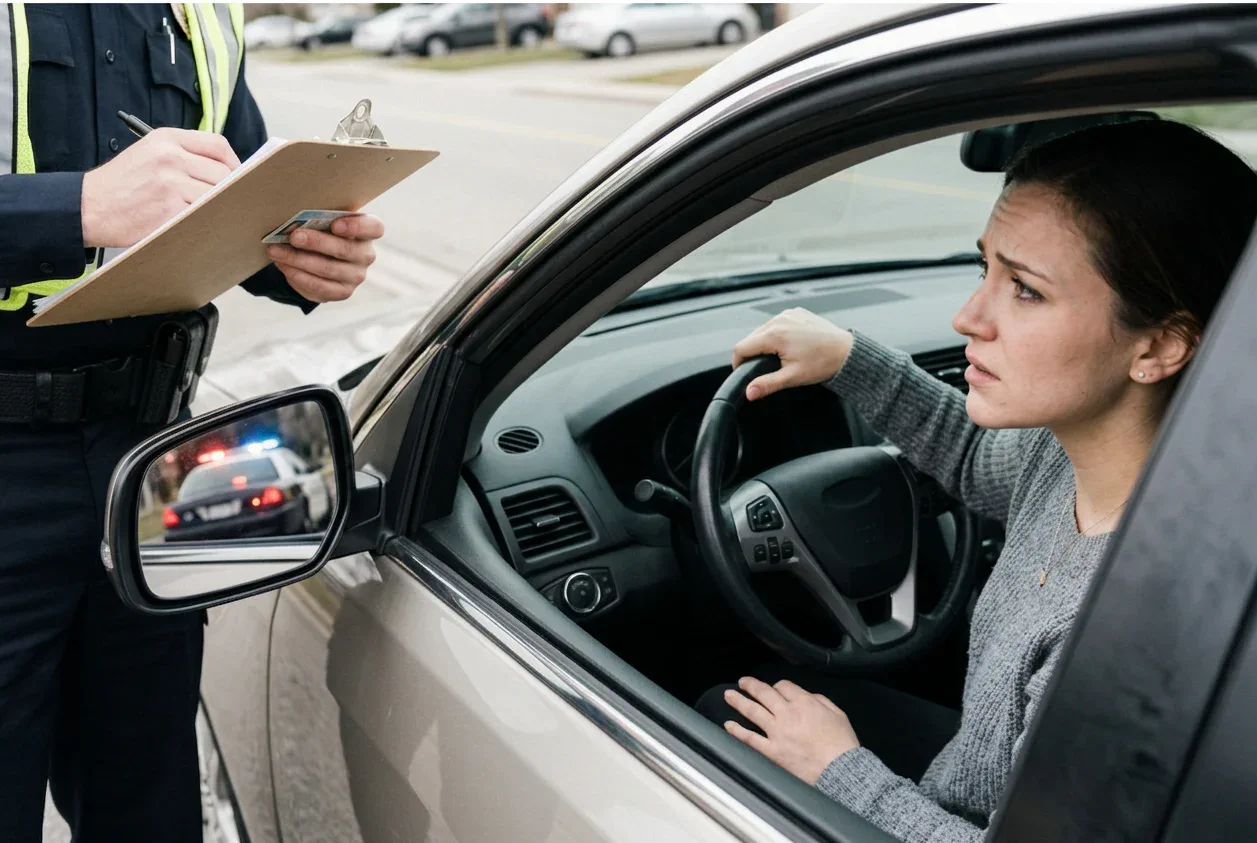
If you've been charged with a DUI in Washington, your case will likely follow a predictable process. It begins with police contact. It can either end in a dismissal, acquittal, or some form of conviction and sentence.
Although there are endless scenarios and no two cases are alike, many of the issues in a DUI case are common. This page is designed to help walk you through a "typical" case so you can get a birds-eye view of a DUI case and understand how the process works, start to finish. While each of these phases will seem routine to a seasoned DUI lawyer, they will all seem strange and potentially scary to you.
But by reading this page, you can gain better understanding of the process. With this information, hopefully the entire process will seem less scary. Because in the end, being scared won't help you beyond hopefully helping you think twice before putting yourself in a position where you could be charged with another DUI.
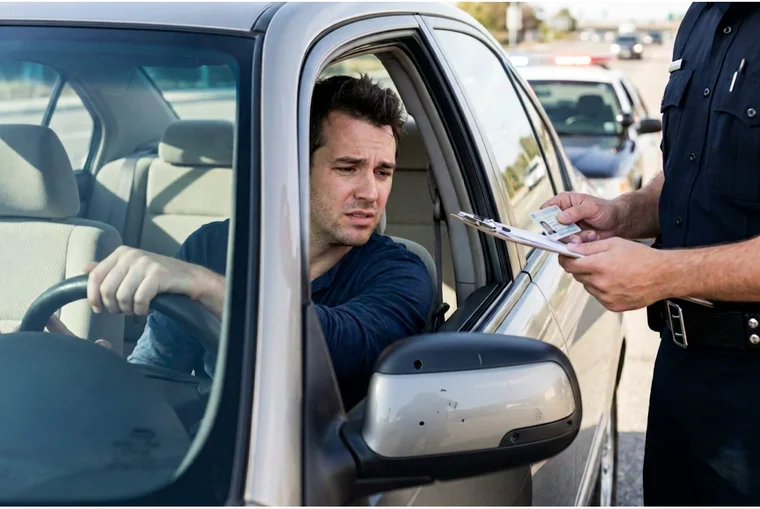
During a DUI investigation, the legal treatment of a question, answer, or silence depends on custody, interrogation, warnings, invocation, and the proposed evidentiary use. A person must comply with lawful directions and provide driving credentials required by law, but the page should not present one scripted response as the only legally acceptable answer or promise that silence can never carry an evidentiary dispute.
After making initial observations and asking you questions, an officer may ask you to do field sobriety tests. In a DUI, field sobriety tests are designed to test your ability to follow instructions and do basic mental and physical tasks. The theory goes, if you can't properly do these tests correctly, you may be impaired.
Although the field sobriety tests are admissible at a later trial, they are not an exact science. Often, officers give the wrong instructions or fail to give all of the instructions. Sometimes these tests are recorded and sometimes they are not.
If you refuse to do the tests, the fact that you refused may be used at trial against you. To be clear, the field sobriety tests usually include dozens and dozens of instructions. Most people underestimate what is being asked of them.
It is not uncommon to think, they just want to know if I can walk down a line and back. So long as I don't fall down, I'm good to go. In fact, the field sobriety tests test for much smaller things.
The tests are designed to see if you raise your arms for balance, whether you touch your heel to your toe when walking, whether you take the exact number of steps requested, and whether you take the turn exactly as instructed. Field sobriety tests are much closer to a dance competition than you think.
You will get docked for things you didn't think were important, because the instructions are often not clear on what is expected of you and what is being given weight. Don't be afraid to ask lots of questions before the test. Don't be afraid to ask for the instructions to be provided to you multiple times before starting.
Also, don't be afraid to ask that the tests be recorded. You can even ask to have them recorded for posterity. Then if the officer says you refused to do the test, you can simply explain that you were willing to do the tests if there was going to be an accurate record of your results, rather than just the officer's recollection.
As time goes by, body cams and dashcams in police investigations become more and more common, however, they aren't used by every agency yet. There is nothing wrong in requesting that the police investigation be accurately recorded. It might protect you.
A portable breath test is a roadside screening device, not the evidentiary breath instrument used after arrest. In State v. Smith, the Washington Supreme Court held that a result from an unapproved PBT was inadmissible absent state-toxicologist approval or a scientific-reliability showing.
PBT evidence can still create issues in a probable-cause hearing, and admissibility depends on the device, foundation, and purpose. The page should not promise that every PBT result will be excluded or describe every device as less accurate without an identified source.
If you are arrested for DUI, you will be taken down to the station and asked to take a formal Draeger breath test. You will also be advised of your Miranda warnings and asked a series of questions to help build a case against you. The most important thing to do at this point is request to talk to an attorney.
CrRLJ 3.1 provides that a person in custody who wants a lawyer must, at the earliest opportunity, receive access to a telephone, the public defender's number, and other means necessary to communicate with a lawyer. Whether police provided a reasonable opportunity is fact specific. The rule does not support advice to demand unlimited calling time or a promise that police must delay every procedure until a particular lawyer answers.
You will also be advised of your implied consent warnings. Under Washington law, no breath test is admissible unless you were first advised of your right to refuse the breath test. You will also be advised that there are certain downsides to refusing a breath test, including a longer license suspension.
You are allowed to ask questions about these warnings. If they are confusing, do not sign the form until you've had a chance to ask questions. You can also insist on talking to an attorney about the implied consent laws.
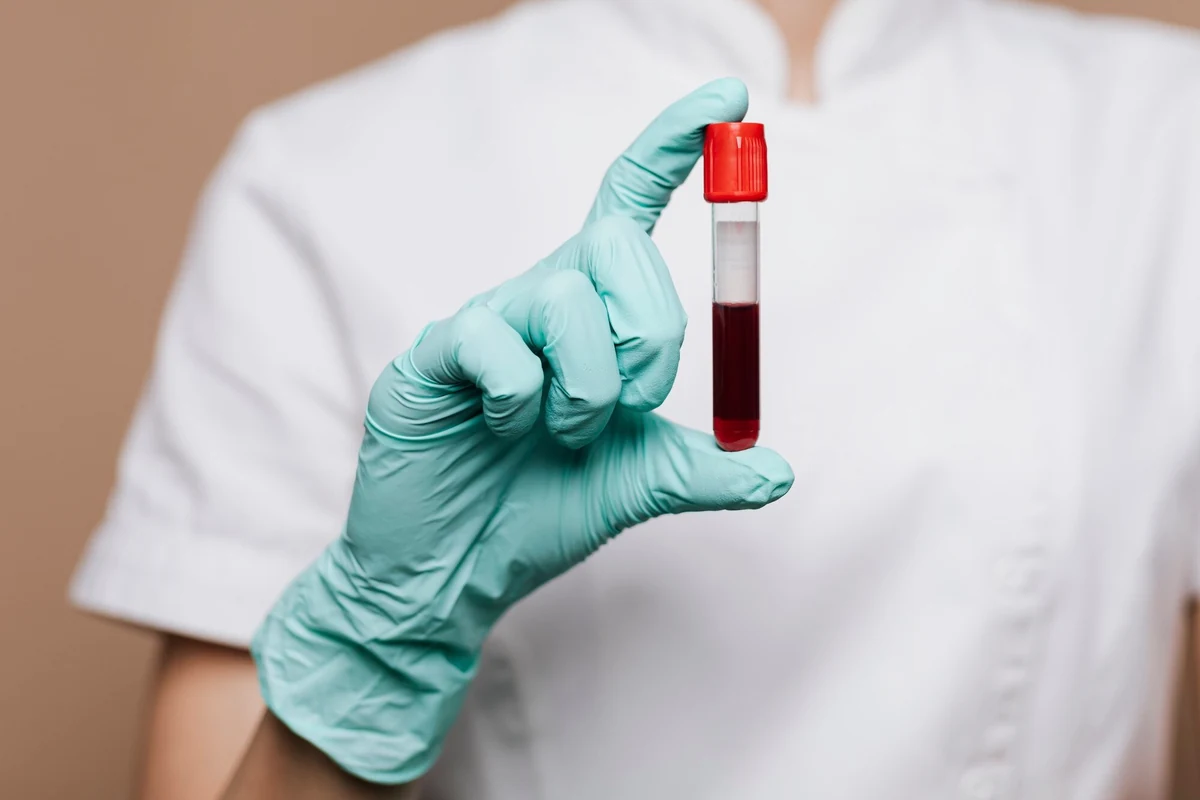
RCW 46.61.506 permits a tested person to obtain one or more additional tests from a qualified person of the person's choosing. An additional test may be admissible if the required foundation is established. The statute also says that failure or inability to obtain an additional test does not by itself bar the State's test.
The page should describe the right to seek additional testing without promising police-funded testing or transportation in every case.
Do not delay in consulting with a lawyer. Vancouver WA DUI lawyer Roger Priest is available for a free consultation every day of the week. The longer you wait, the greater the chance that you might miss a vital step.
Even if you aren't sure whether you can afford an attorney, it pays to schedule a free consultation, just to get your questions answered. A DUI lawyer can help you take control of your destiny and empower you to get ahead of the charges. Once on the case, a DUI lawyer can help you mitigate the circumstances and help negotiate on your behalf.
I've yet to meet a client yet who wishes they would have handled their DUI alone. The process is scary and foreign, so it pays to have an expert in your corner.
A request for a DOL hearing generally must be made within seven days after the applicable notice is given. In a breath-test or refusal case, the officer ordinarily serves the notice; after a blood test, DOL may give notice later after receiving the result. The notice controls the deadline, so the person should review it immediately.
These government sources support the general legal information on this page. The facts and current documents in an individual case control the legal analysis.
Contact us
Free consultation. Available 24/7. We quote a flat fee up front and offer payment plans on most cases. The number we quote is the number you pay, no matter how many hearings your case takes.

Cases we handle
Mandatory jail, fines, and license suspension apply even to a first arrest. We fight for a reduction whenever the facts support one.
Learn more about First Offense DUI
Your license can be suspended before your criminal case is resolved. The hearing-request deadline can be as short as seven days after notice.
Learn more about License Suspension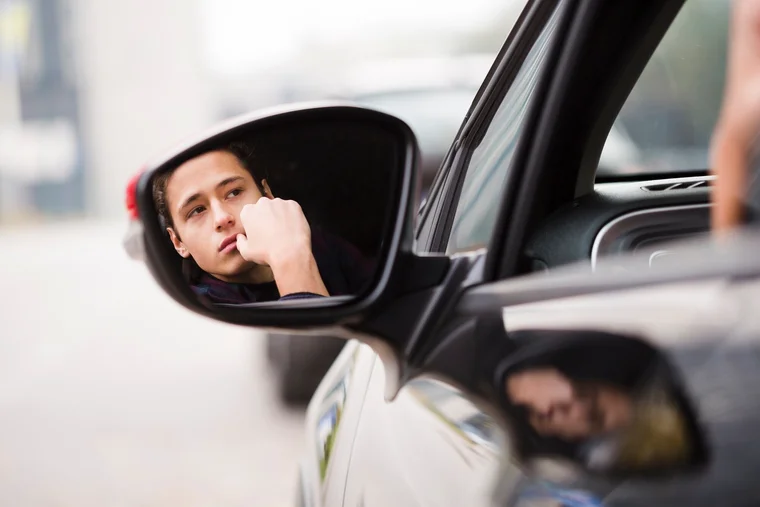
Most DUI charges carry up to 364 days in jail. We build a defense around every stage of the case, not just the arrest.
Learn more about DUI Misdemeanor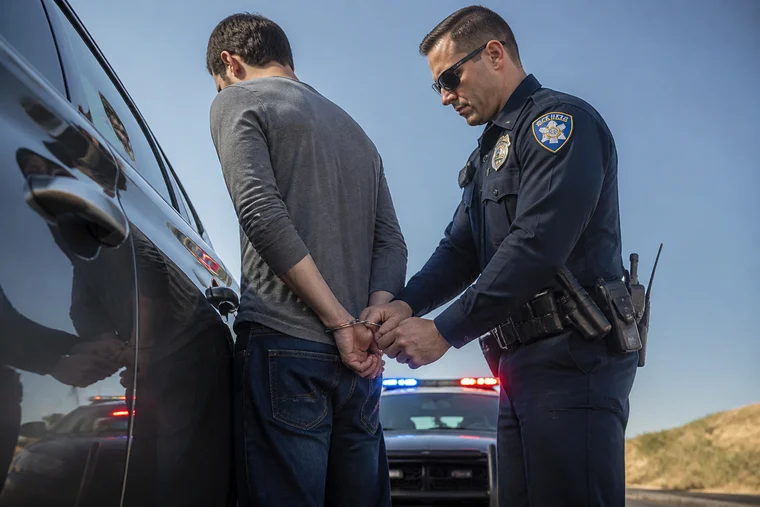
Multiple prior convictions can turn a DUI into a felony. We look hard at whether every prior conviction actually holds up.
Learn more about DUI Felony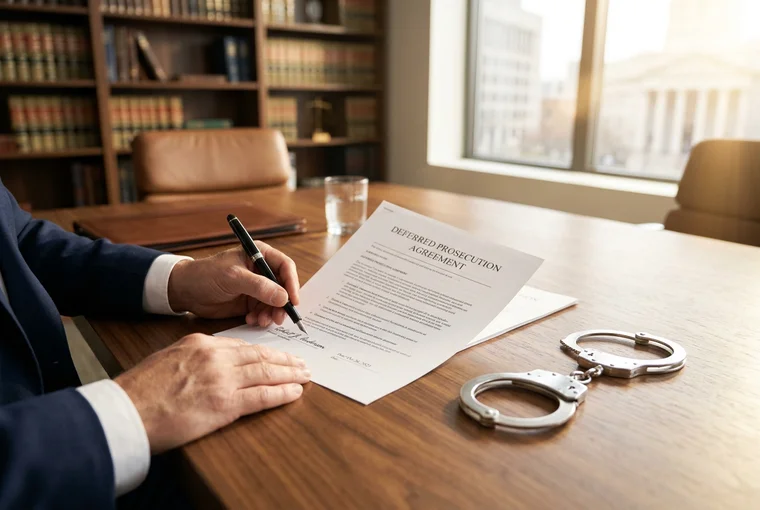
A path to a full dismissal for qualifying cases, in exchange for a serious, multi-year treatment commitment.
Learn more about Deferred Prosecution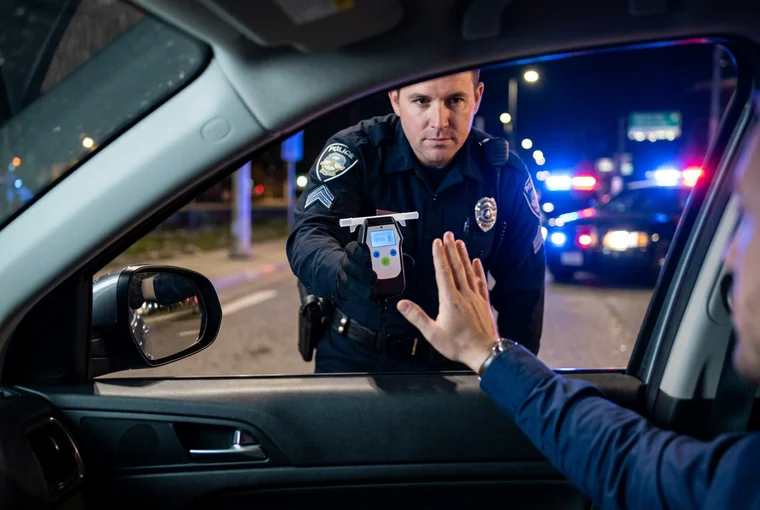
Refusing carries its own penalties, but it can also weaken the state's case at trial. We help clients weigh both sides.
Learn more about DUI Breath Test Refusals
Mandatory jail, fines, and license suspension apply even to a first arrest. We fight for a reduction whenever the facts support one.
Learn more about First Offense DUI
Your license can be suspended before your criminal case is resolved. The hearing-request deadline can be as short as seven days after notice.
Learn more about License Suspension
Most DUI charges carry up to 364 days in jail. We build a defense around every stage of the case, not just the arrest.
Learn more about DUI Misdemeanor
Multiple prior convictions can turn a DUI into a felony. We look hard at whether every prior conviction actually holds up.
Learn more about DUI Felony
A path to a full dismissal for qualifying cases, in exchange for a serious, multi-year treatment commitment.
Learn more about Deferred Prosecution
Refusing carries its own penalties, but it can also weaken the state's case at trial. We help clients weigh both sides.
Learn more about DUI Breath Test Refusals4.9 star reviews based on 110+ reviews
FAQ
No, they are voluntary, though refusing them can be used against you in court.
No. A portable breath test is a roadside screening device, not the evidentiary breath instrument used after arrest. Admissibility depends on the device, foundation, and purpose, and PBT evidence can still create issues in a probable-cause hearing.
A request for a DOL hearing generally must be made within seven days after the applicable notice is given. In a breath-test or refusal case, the officer ordinarily serves the notice; after a blood test, DOL may give notice later after receiving the result. The notice controls the deadline.
Contact us
Free consultation. Available 24/7. We quote a flat fee up front and offer payment plans on most cases. The number we quote is the number you pay, no matter how many hearings your case takes.