
Dedication
We are available 24/7
Field sobriety tests look simple. They are built on far more specific criteria than most people realize, and both taking and refusing them carry consequences.
Legally reviewed by Roger Priest · September 24, 2026
Get a Free Case ReviewWe are available 24/7
Nearly 30 years of combined criminal defense experience
A former Oregon prosecutor now fights on your side
Thousands of criminal matters and dozens of jury trials
| Test | What officers are trained to observe | Required qualification |
|---|---|---|
| Horizontal Gaze Nystagmus | Six possible clues involving smooth pursuit, maximum deviation, and onset angle | An observation can be consistent with alcohol ingestion, but administration, alternative causes, and the permissible scope of testimony still matter |
| Walk and Turn | Eight standardized clues involving instructions, balance, steps, turn, and completion | NHTSA validation claims assume standardized instructions, administration, and scoring; a clue count is not a direct measurement of BAC |
| One Leg Stand | Four standardized clues involving sway, arms, hopping, and putting a foot down | Conditions, physical limitations, instructions, administration, and scoring can affect the observation |
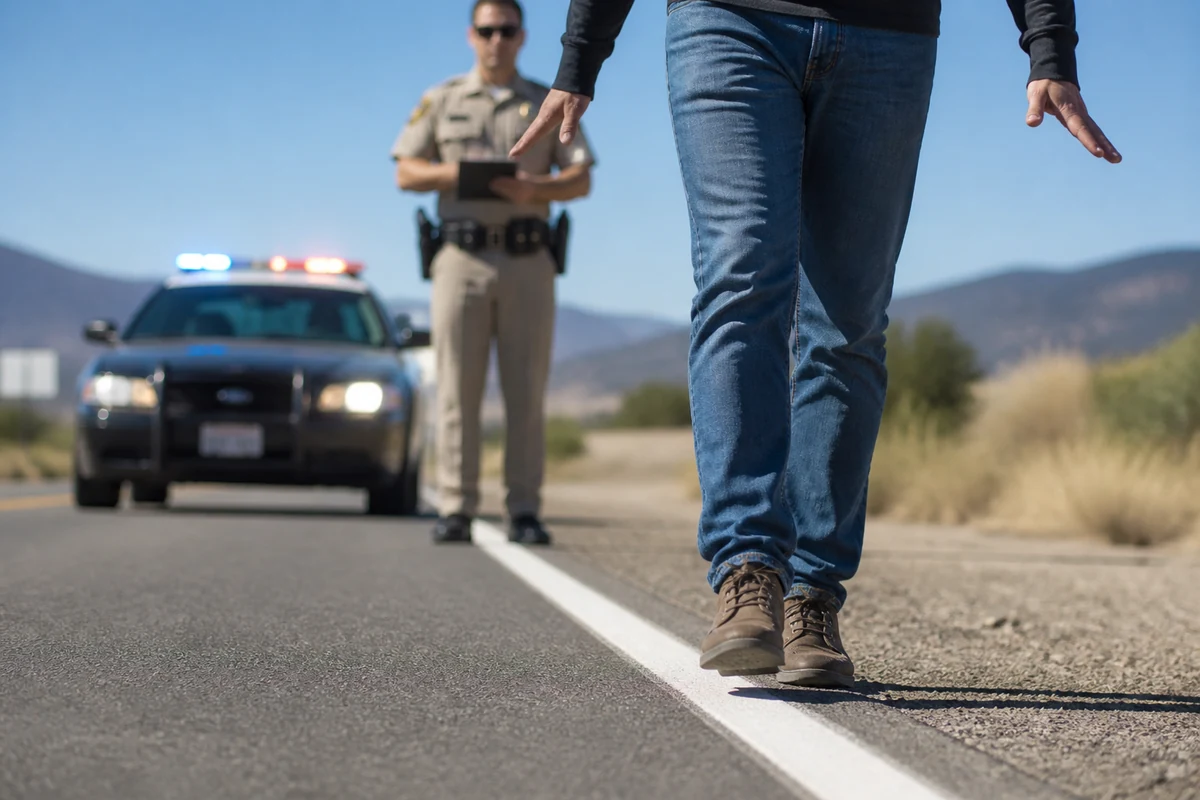
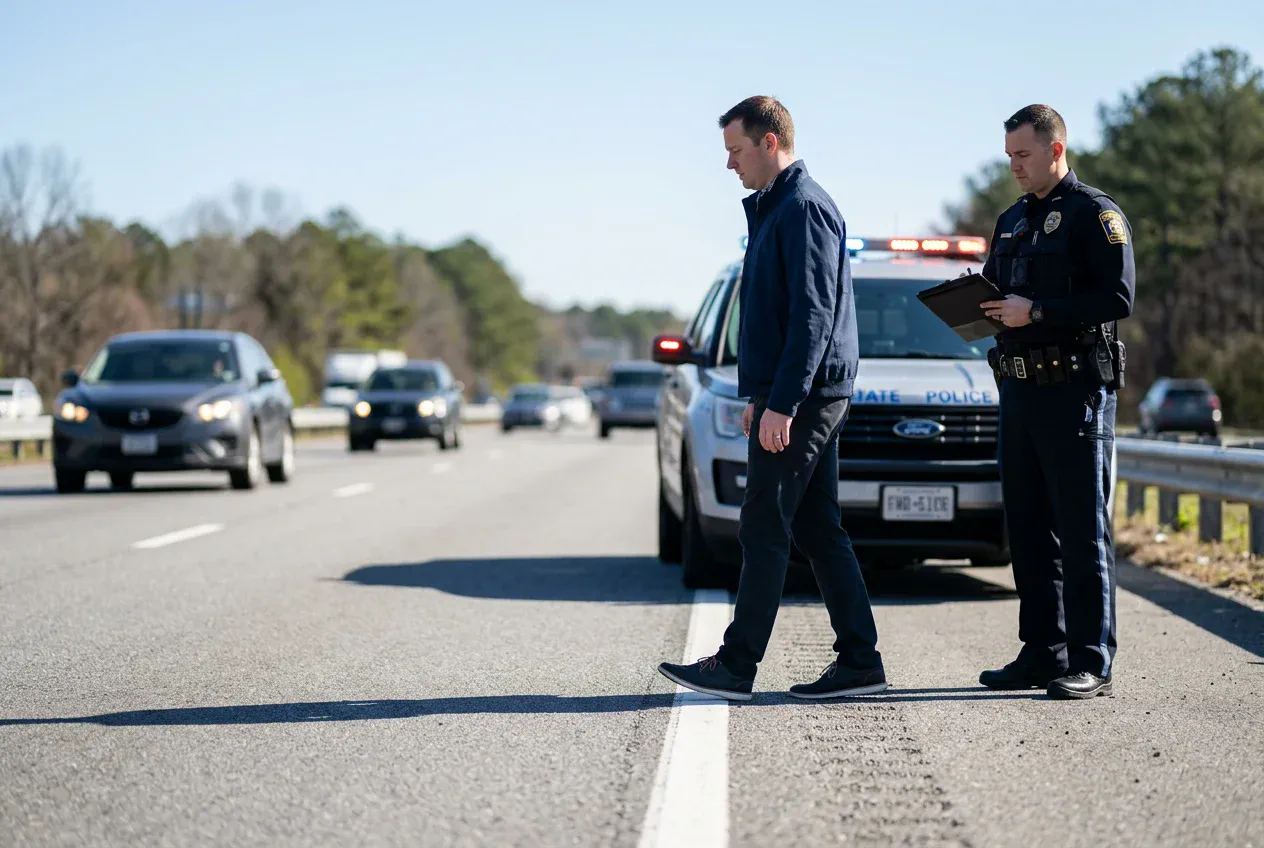
Standardized field sobriety tests are roadside observations used to help an officer assess possible impairment. NHTSA treats the horizontal-gaze-nystagmus, walk-and-turn, and one-leg-stand tests as a standardized battery when they are administered and scored under the manual's procedures. Older percentages tied to a 0.10 BAC threshold should not be presented as current individual-test accuracy figures. A clue count is not a chemical test result and does not by itself establish a person's BAC.
Washington's Supreme Court has held that field sobriety tests are not a constitutional search and that a driver has no constitutional right to refuse them; evidence of refusal was therefore admissible in State v. Mecham. Administration, foundation, relevance, expert-testimony limits, and the circumstances surrounding a refusal can still be litigated. The page should not state that the tests automatically become inadmissible merely because an officer did not call them voluntary.
Officers are trained to observe six possible clues involving smooth pursuit, maximum deviation, and onset angle. An observation can be consistent with alcohol ingestion, but administration, alternative causes, and the permissible scope of testimony still matter.
Officers are trained to observe eight standardized clues involving instructions, balance, steps, turn, and completion. NHTSA validation claims assume standardized instructions, administration, and scoring; a clue count is not a direct measurement of BAC.
Officers are trained to observe four standardized clues involving sway, arms, hopping, and putting a foot down. Conditions, physical limitations, instructions, administration, and scoring can affect the observation.
A portable breath test is distinct from the standardized field sobriety tests and from an evidentiary breath test after arrest. Under State v. Smith, a result from an unapproved PBT is inadmissible absent state-toxicologist approval or a scientific-reliability showing.
The result or surrounding evidence may still be disputed in a probable-cause hearing. No attorney can guarantee exclusion without reviewing the device, foundation, purpose, and record.
These government sources support the general legal information on this page. The facts and current documents in an individual case control the legal analysis.
Contact us
Free consultation. Available 24/7. We quote a flat fee up front and offer payment plans on most cases. The number we quote is the number you pay, no matter how many hearings your case takes.

Cases we handle
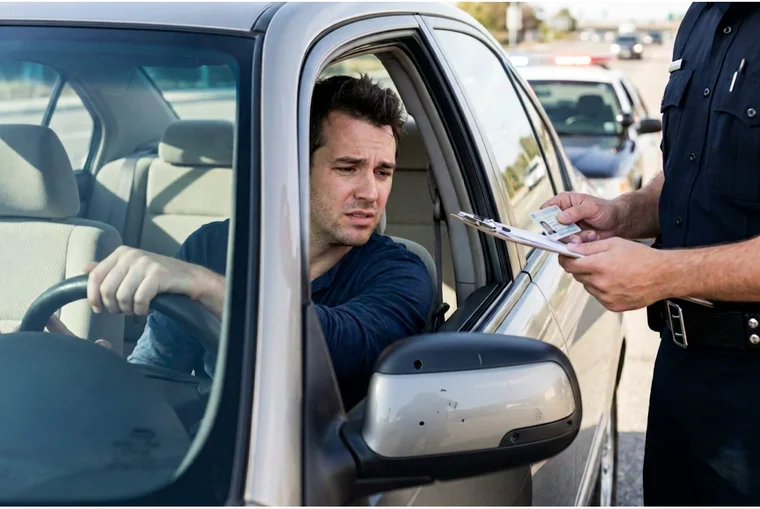
Mandatory jail, fines, and license suspension apply even to a first arrest. We fight for a reduction whenever the facts support one.
Learn more about First Offense DUI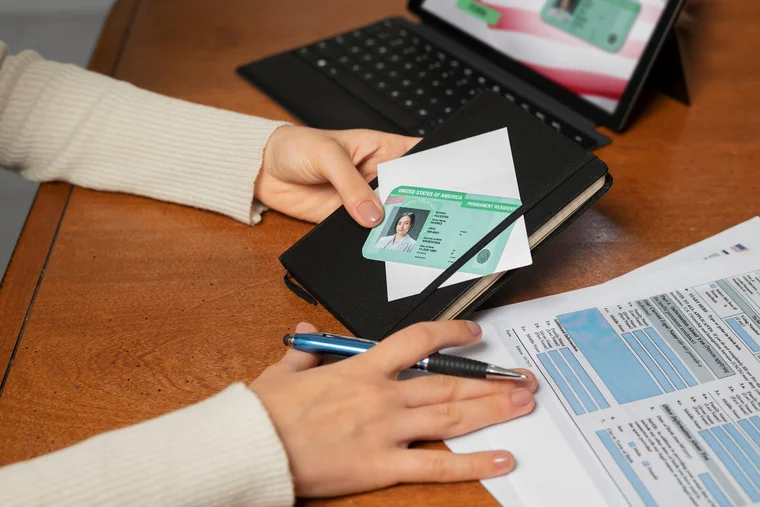
Your license can be suspended before your criminal case is resolved. The hearing-request deadline can be as short as seven days after notice.
Learn more about License Suspension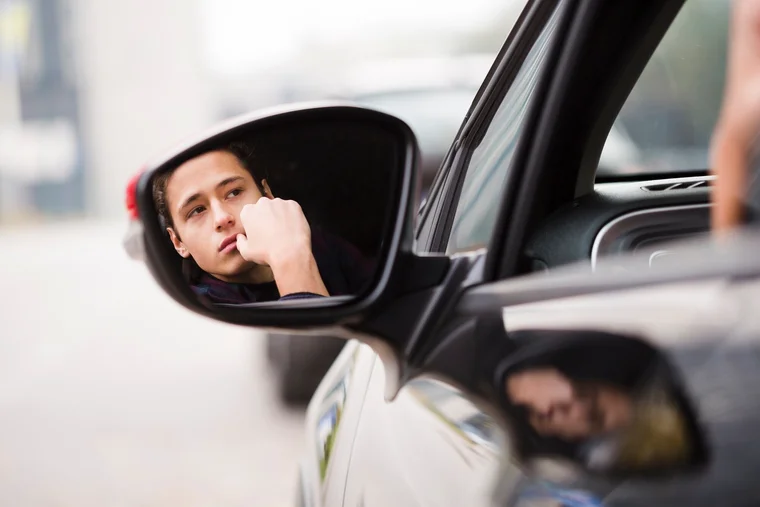
Most DUI charges carry up to 364 days in jail. We build a defense around every stage of the case, not just the arrest.
Learn more about DUI Misdemeanor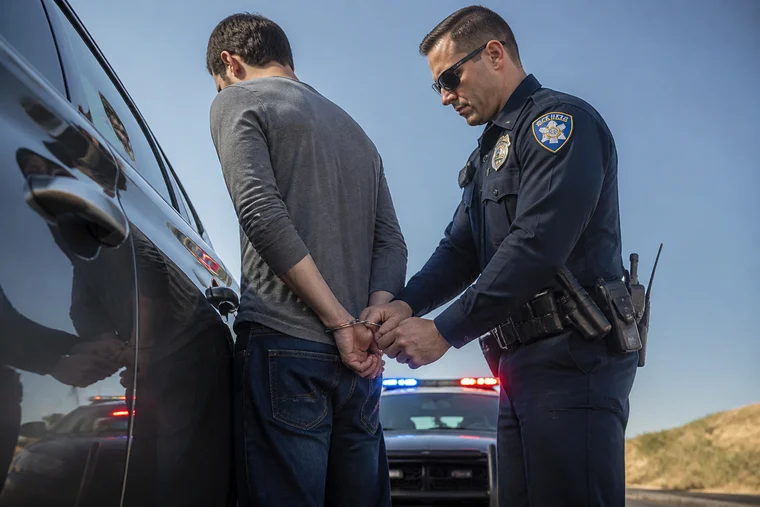
Multiple prior convictions can turn a DUI into a felony. We look hard at whether every prior conviction actually holds up.
Learn more about DUI Felony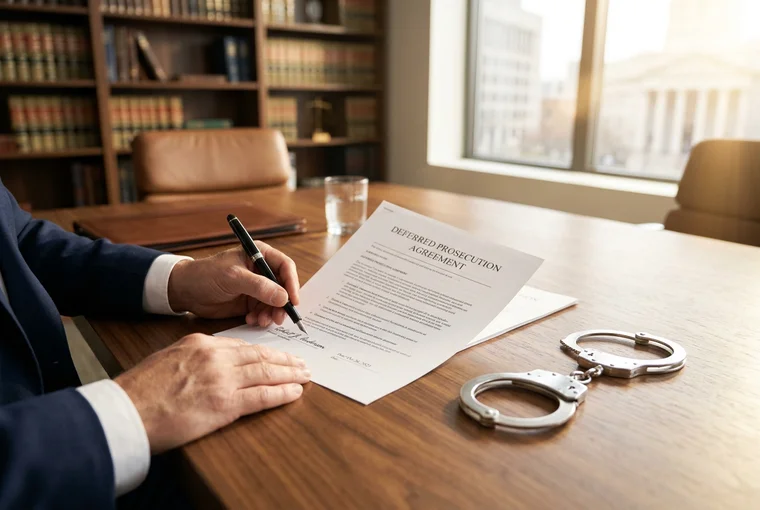
A path to a full dismissal for qualifying cases, in exchange for a serious, multi-year treatment commitment.
Learn more about Deferred Prosecution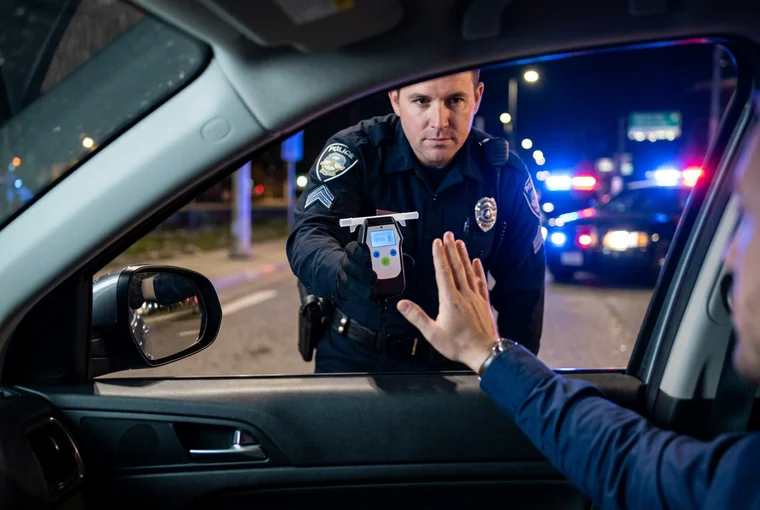
Refusing carries its own penalties, but it can also weaken the state's case at trial. We help clients weigh both sides.
Learn more about DUI Breath Test Refusals
Mandatory jail, fines, and license suspension apply even to a first arrest. We fight for a reduction whenever the facts support one.
Learn more about First Offense DUI
Your license can be suspended before your criminal case is resolved. The hearing-request deadline can be as short as seven days after notice.
Learn more about License Suspension
Most DUI charges carry up to 364 days in jail. We build a defense around every stage of the case, not just the arrest.
Learn more about DUI Misdemeanor
Multiple prior convictions can turn a DUI into a felony. We look hard at whether every prior conviction actually holds up.
Learn more about DUI Felony
A path to a full dismissal for qualifying cases, in exchange for a serious, multi-year treatment commitment.
Learn more about Deferred Prosecution
Refusing carries its own penalties, but it can also weaken the state's case at trial. We help clients weigh both sides.
Learn more about DUI Breath Test Refusals4.9 star reviews based on 110+ reviews
FAQ
Washington's Supreme Court has held that field sobriety tests are not a constitutional search and that a driver has no constitutional right to refuse them; evidence of refusal was admissible in State v. Mecham. The circumstances surrounding a refusal can still be litigated.
Yes. These tests grade small details like balance, arm movement, and following precise instructions, so nervousness, fatigue, injuries, footwear, or uneven ground can all produce clues that look like impairment. That is one reason the results are often challengeable at trial.
No. NHTSA validation claims assume standardized instructions, administration, and scoring, and a clue count is not a direct measurement of BAC. Conditions, physical limitations, and administration can affect the observations.
Contact us
Free consultation. Available 24/7. We quote a flat fee up front and offer payment plans on most cases. The number we quote is the number you pay, no matter how many hearings your case takes.