
Dedication
We are available 24/7
Every DUI case starts with a stop, and the officer needs a specific, lawful reason to make it. When that reason does not hold up, neither does the case built on top of it.
Legally reviewed by Roger Priest · September 24, 2026
Get a Free Case ReviewWe are available 24/7
Nearly 30 years of combined criminal defense experience
A former Oregon prosecutor now fights on your side
Thousands of criminal matters and dozens of jury trials
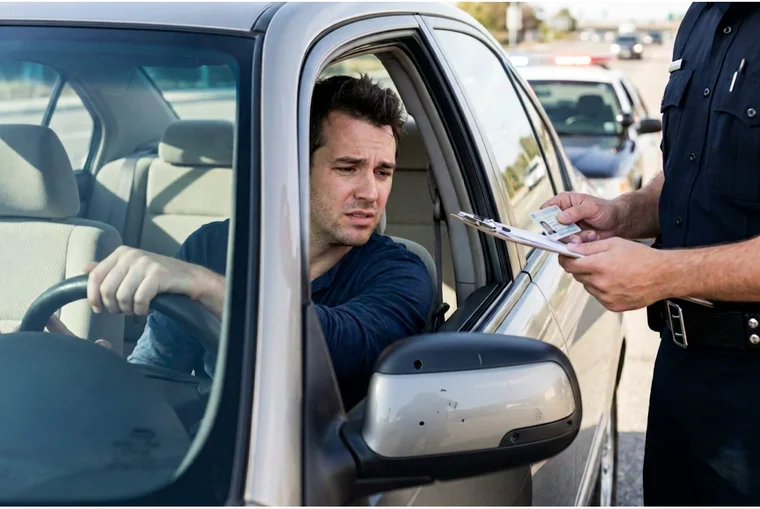
Police need to point to a specific statute to justify a traffic stop, whether that is bad driving like speeding or a problem with the vehicle itself like expired registration. If you were driving safely in a properly registered vehicle, you should not have been pulled over in the first place. When police make a mistake here, whether relying on an unreliable tip or an unreasonable assumption, an experienced attorney can sometimes get a judge to rule the stop itself was unlawful.
The officer will ask for your license, registration, and insurance, which you are legally required to provide. From there, the officer begins observing everything, the smell of alcohol, slurred speech, red or glassy eyes, fumbling for documents, anything that could support a DUI investigation. At this stage you are not under arrest, but the officer is actively building a case.
A routine traffic stop is generally a temporary detention rather than Miranda custody, so an officer may ask roadside questions without first giving Miranda warnings. The stop may become custodial depending on its duration, restraints, location, officer conduct, and the other circumstances a reasonable person would experience. A driver must provide the credentials required by law and comply with lawful directions, but is not required to volunteer an admission to suspected criminal conduct.
Clearly stating a desire not to answer investigative questions can avoid ambiguity, but it does not require an officer to end the traffic stop, stop every question, or abandon lawful investigative steps. A request for counsel during noncustodial roadside questioning does not operate exactly like an invocation during custodial interrogation. Whether silence or a refusal may be mentioned in court depends on the stage, warnings, invocation, and purpose for which the evidence is offered, so the page should not make an absolute admissibility promise.
These government sources support the general legal information on this page. The facts and current documents in an individual case control the legal analysis.
Contact us
Free consultation. Available 24/7. We quote a flat fee up front and offer payment plans on most cases. The number we quote is the number you pay, no matter how many hearings your case takes.

Cases we handle
Mandatory jail, fines, and license suspension apply even to a first arrest. We fight for a reduction whenever the facts support one.
Learn more about First Offense DUI
Your license can be suspended before your criminal case is resolved. The hearing-request deadline can be as short as seven days after notice.
Learn more about License Suspension
Most DUI charges carry up to 364 days in jail. We build a defense around every stage of the case, not just the arrest.
Learn more about DUI Misdemeanor
Multiple prior convictions can turn a DUI into a felony. We look hard at whether every prior conviction actually holds up.
Learn more about DUI Felony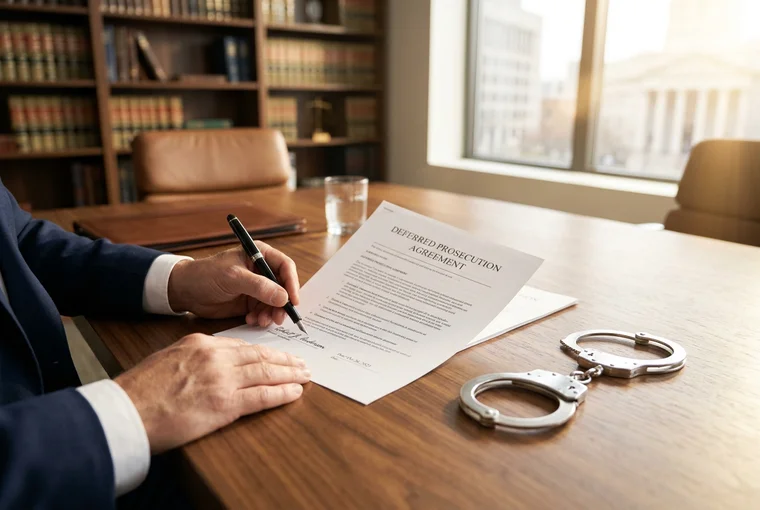
A path to a full dismissal for qualifying cases, in exchange for a serious, multi-year treatment commitment.
Learn more about Deferred Prosecution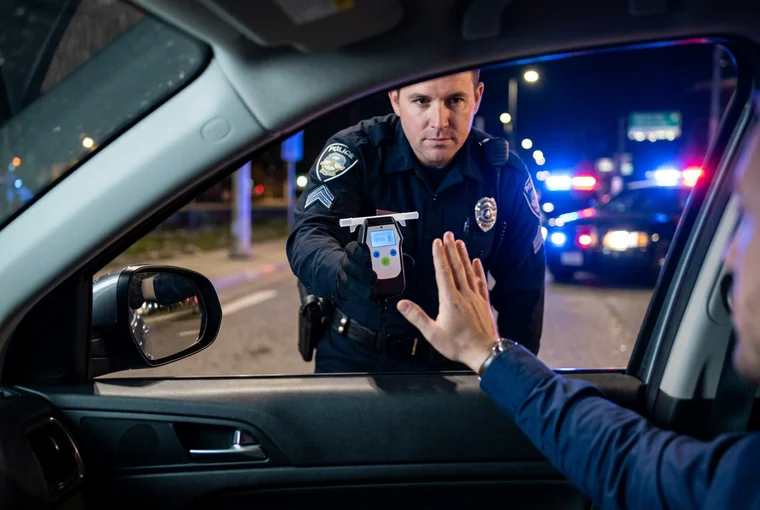
Refusing carries its own penalties, but it can also weaken the state's case at trial. We help clients weigh both sides.
Learn more about DUI Breath Test Refusals
Mandatory jail, fines, and license suspension apply even to a first arrest. We fight for a reduction whenever the facts support one.
Learn more about First Offense DUI
Your license can be suspended before your criminal case is resolved. The hearing-request deadline can be as short as seven days after notice.
Learn more about License Suspension
Most DUI charges carry up to 364 days in jail. We build a defense around every stage of the case, not just the arrest.
Learn more about DUI Misdemeanor
Multiple prior convictions can turn a DUI into a felony. We look hard at whether every prior conviction actually holds up.
Learn more about DUI Felony
A path to a full dismissal for qualifying cases, in exchange for a serious, multi-year treatment commitment.
Learn more about Deferred Prosecution
Refusing carries its own penalties, but it can also weaken the state's case at trial. We help clients weigh both sides.
Learn more about DUI Breath Test Refusals4.9 star reviews based on 110+ reviews
FAQ
No, an officer must be able to point to a specific traffic violation or reasonable suspicion of a crime to justify the stop.
You must provide driving credentials required by law and comply with lawful directions. Whether you must answer another question, and whether a response or silence may later be used, depends on the question and the circumstances. A traffic stop is not automatically Miranda custody.
It can. If a judge finds the officer lacked a lawful basis for the stop, the evidence gathered afterward can be suppressed, which often undermines or ends the case. Whether that applies depends on the specific facts of why you were pulled over.
Contact us
Free consultation. Available 24/7. We quote a flat fee up front and offer payment plans on most cases. The number we quote is the number you pay, no matter how many hearings your case takes.